A sore arm fades in days. This kind of shoulder pain stays, spreads, and starts generating bills.
The vaccine shot goes into the upper arm, usually into the deltoid muscle, and most patients expect mild soreness at the injection site that resolves within a few days. A different pattern appears in some cases. Shoulder pain begins quickly, settles deeper into the shoulder area, and limits how the arm moves, which raises concern about a shoulder injury after vaccine administration rather than a routine response.
Health authorities such as the CDC outline expected symptoms after vaccine administration, including temporary pain, redness, or swelling at the injection site, and these effects typically improve without further evaluation. A shoulder injury related to vaccine administration presents differently, often involving persistent pain in the affected shoulder, reduced strength, and a limited range of motion that does not follow the same short time frame.
This type of injury, often referred to as a SIRVA injury, is linked to how the vaccine is delivered into the upper arm rather than the vaccine itself, with improper injection technique placing strain on soft tissues, tendons, or other musculoskeletal structures. Many patients report that the pain interferes with sleep, work, and daily tasks within days of vaccination, and the need for treatment options such as physical therapy, pain medication, or further evaluation begins to take shape quickly.
What follows is not a list of possibilities. It is a clear look at what treatment for a shoulder injury like this can cost, how those costs develop over time, and how the Vaccine Injury Compensation Program (VICP) provides a path toward financial compensation when a SIRVA claim is supported by medical records and clinical history.
SIRVA Treatment Costs
A shoulder injury after vaccine administration quickly moves beyond a single appointment. Costs build in stages, each tied to how the affected shoulder responds over time and how healthcare professionals document the injury.
Initial Evaluation and Imaging
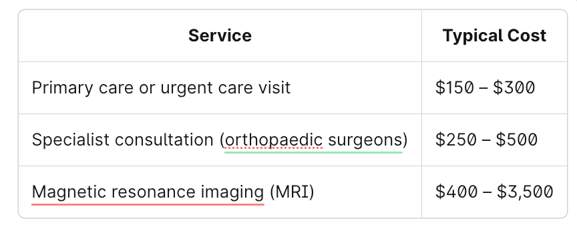
Magnetic resonance imaging is commonly used to examine soft tissues, rotator cuff tendons, and other musculoskeletal structures in the shoulder area. This step establishes clinical history and supports whether the injury is related to vaccine administration under the VICP.
Physical Therapy and Early Treatment
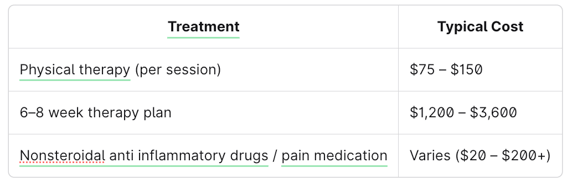
Physical therapy is one of the most common treatment options for limited range of motion and ongoing shoulder pain. Many patients attend multiple sessions per week, and progress depends on how the affected area responds over time.
Injections and Ongoing Care
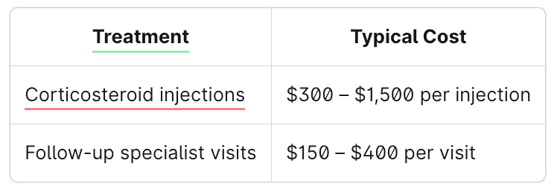
Corticosteroid injections are often used when shoulder pain continues despite therapy. Some cases require repeated injections, especially where inflammation affects the rotator cuff or surrounding tendons.
Surgery in Severe Cases
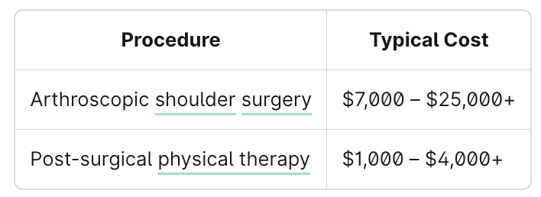
Surgery is considered in severe cases where a rotator cuff tear, adhesive capsulitis, or other structural injury does not improve with conservative treatment. Recovery often includes additional physical therapy and ongoing monitoring by healthcare providers.
What SIRVA Treatment Costs Add Up To
A SIRVA injury rarely involves one category of treatment. A patient may move from imaging to physical therapy, then to injections, and in some cases, surgery.
- Imaging and evaluation: $800 – $4,000+
- Physical therapy: $1,200 – $6,000+
- Injections and follow-ups: $500 – $3,000+
- Surgery and recovery: $8,000 – $30,000+
Total costs can reach $10,000 to $40,000+, depending on severity, response to treatment, and time frame.
Each of these expenses is documented through medical records, tied to clinical findings, and forms part of a SIRVA claim under the vaccine injury compensation program.
Treatment costs listed are general estimates based on national healthcare pricing data from sources such as Healthcare Bluebook, FAIR Health, and Medicare. Actual costs vary depending on provider, location, and the severity of the injury.
How SIRVA Affects Daily Life and Income
The cost of treatment is only one part of a SIRVA injury. The impact shows up just as clearly in how the affected shoulder limits movement, interrupts routine, and reduces the ability to work.
A person who experienced shoulder pain after vaccine administration often notices the change within days. Reaching overhead becomes difficult, lifting even light weight in the upper arm causes discomfort, and the shoulder area no longer moves freely. That limited range of motion carries into simple tasks. Getting dressed, driving, or sleeping through the night starts to require adjustment.
Work is where the effect becomes more defined. Jobs that rely on physical activity, whether that involves lifting, carrying, or repetitive arm use, are directly affected when the shoulder cannot perform as expected. Time away from work becomes necessary in some cases, while others continue working at reduced capacity, managing ongoing pain while attending physical therapy or follow-up appointments with a healthcare provider.
Lost wages are not always immediate, but they develop over time. A few missed days can turn into weeks when treatment extends, especially in severe cases where recovery involves injections or surgery. Many patients also attend multiple appointments each week, which creates additional disruption even when they remain employed.
This pattern is consistent across many patients with a SIRVA injury. The injury itself affects the shoulder. The symptoms affect movement. The time frame of treatment affects income. Each part connects, and each part becomes relevant when medical records are reviewed as part of a SIRVA claim under the VICP.
Talk to a specialized SIRVA vaccine injury lawyer.
What the VICP Looks For in a SIRVA Claim
For a shoulder injury after vaccine administration to be considered, the following elements must be supported through medical records and clinical history:
- Location of the vaccine shot
The injection is given in the upper arm, typically into the deltoid muscle, and symptoms develop in that same shoulder area
- Timing of symptoms
Shoulder pain begins within a consistent time frame after vaccine administration, not weeks or months later
- Nature of the symptoms
Ongoing pain, limited range of motion, and reduced function in the affected shoulder beyond expected injection site reactions
- Type of injury identified
Conditions such as adhesive capsulitis, rotator cuff tear, or inflammation affecting soft tissues and tendons
- Medical documentation
Records from healthcare providers, imaging such as magnetic resonance imaging, and notes from orthopaedic surgeons or other healthcare professionals
- Treatment history
Evidence of treatment options including physical therapy, pain medication, nonsteroidal anti inflammatory drugs, corticosteroid injections, or surgery in severe cases
How a Claim Comes Together
A SIRVA claim under the VICP is not based on a single appointment. It is built step by step:
- Symptoms are reported and documented by a healthcare provider
- Further evaluation confirms injury related to vaccine administration
- Treatment begins and is recorded over time
- Medical records establish consistency in symptoms and diagnosis
- A claim is filed as part of the federal claims process
Each part connects. The shoulder pain, the limited range of motion, the treatment, and the associated costs all form part of the same clinical picture.
This is how vaccine injury claims are reviewed under the national vaccine injury compensation system, and why clear documentation from the beginning carries weight throughout the process.
SIRVA Claims Through the VICP and What Compensation Can Include
A SIRVA claim through the VICP is built on clear, consistent documentation. The process focuses on what can be shown through medical records and how the injury developed following vaccine administration.
What Compensation Can Include
When a SIRVA injury is supported, compensation through the VICP may include:
- Medical expenses related to treatment
- Ongoing care and follow-up
- Lost wages where work has been affected
- Pain and suffering based on duration and severity
- Attorney fees, paid through the program
What This Looks Like in Actual SIRVA Claims
- $111,390 – Shoulder tendonitis and adhesive capsulitis (tetanus shot)
Imaging identified structural issues within the shoulder, followed by a surgical recommendation
- $125,000 – Rotator cuff tear requiring surgery (meningitis vaccine)
Loss of arm function led to arthroscopic repair and extended recovery
- $120,000 – Bursitis and rotator cuff tendonitis (TDaP vaccine)
Conservative treatment failed, leading to surgery after multiple interventions
- $162,622 – SIRVA injury (flu vaccine)
Shoulder injury resulted in job loss and reduced earning capacity
- $95,000 – SIRVA injury (flu vaccine)
Long-term treatment and ongoing symptoms extended beyond one year
- $135,000 – Adhesive capsulitis with surgical intervention (flu vaccine)
Persistent limitation required operative treatment after therapy and injections
According to the Register F. National Vaccine Injury Compensation Program, the median award for a SIRVA compensation claim was $71,355.26 in 2020, compared to $22,530 for comparable claims in the civil tort system.
See more notable settlements from My Vaccine Lawyer
Why Work With a Vaccine Injury Lawyer
The VICP follows a specific federal claims process, and SIRVA cases are reviewed based on detailed medical and legal standards. Small gaps in documentation, unclear timelines, or incomplete records affect how a claim is reviewed.
Our vaccine injury lawyers focus on how these elements come together. Medical records are organized, supporting evidence is presented correctly, and the claim is filed within the required time frame. The process moves through the U.S. Court of Federal Claims, and each step must meet the program’s standards.
Speak With My Vaccine Lawyer
If you experienced shoulder pain after vaccine administration and treatment has continued beyond the expected recovery period, it is worth having your case reviewed.
My Vaccine Lawyer handles SIRVA claims through the VICP and works directly with clients to assess medical records, treatment history, and eligibility.
Start with a free consultation.
Get clear answers about your situation and what options may be available.
FAQs
How does the Vaccine Injury Table apply to SIRVA claims?
The Vaccine Injury Table is used within the VICP to determine whether an injury is recognized and how it should be evaluated. SIRVA is included when shoulder pain begins within a defined time frame after vaccine administration and affects the same upper arm where the injection was given.
If a case aligns with the Vaccine Injury Table, it can simplify how petitioner claims are reviewed. When it does not align perfectly, claims can still move forward, but they rely more heavily on medical records, clinical history, and supporting evidence.
How important is timely treatment for a SIRVA compensation claim?
Timely treatment plays a key role in how a SIRVA compensation claim is evaluated. Early documentation from a healthcare provider helps establish when symptoms began, how they progressed, and whether they are consistent with an injury related to vaccine administration.
Delays in treatment do not prevent a claim, but they can make it harder to clearly show the connection between the vaccine shot and the shoulder injury.
Can a SIRVA claim apply to vaccines other than the flu shot?
Yes. SIRVA is associated with how a vaccine is administered, not the type of vaccine itself. Claims have been filed involving other vaccines such as TDaP, tetanus, meningitis, and HPV, as well as flu vaccines.
What matters is whether the injury is related to vaccine administration in the shoulder area, not which vaccine was used.
What happens if SIRVA is suspected but not yet diagnosed?
Many cases begin as suspected cases where shoulder pain and limited range of motion appear shortly after vaccination. A formal diagnosis may come later after imaging, evaluation, and review by healthcare professionals.
A SIRVA compensation claim does not require immediate confirmation at the first appointment. What matters is how the condition develops over time and whether it is ultimately SIRVA diagnosed based on clinical findings and treatment history.
Are certain vaccines more likely to be involved in SIRVA claims?
SIRVA claims have been reported across certain vaccines that are administered in the upper arm, including flu, TDaP, and tetanus vaccines. The common factor is not the vaccine itself, but how the injection is delivered into the deltoid muscle.
Improper injection technique or placement within the shoulder area is what leads to injury involving tendons, bursae, or other soft tissues.
What makes petitioner claims successful in SIRVA cases?
Successful petitioner claims rely on consistency. The medical records must show when symptoms began, how they affected the shoulder, and what treatment was required over time.
Clear documentation, a defined time frame, and a diagnosis that aligns with an injury related to vaccine administration all contribute to how a claim is evaluated under the VICP.
Take Control of Your Injury Today
 Leigh Finfer
%20(1).png)


 Leigh Finfer : Jan 18, 2023 8:21:22 AM