While most people tolerate vaccines well, severe adverse events do occur, and when they happen, knowing the right steps to take will protect your potential path to compensation.
This guide walks you through exactly what to do if you believe you’ve suffered a vaccine injury.
- Serious vaccine reactions are rare, but when they occur, you need to act quickly: seek immediate medical attention, document symptoms from the vaccination date, and ensure the reaction is reported to the Vaccine Adverse Event Reporting System (VAERS).
- Most vaccine injury claims in the U.S. go through the National Vaccine Injury Compensation Program (VICP), not a typical state court lawsuit against vaccine companies.
- Serious long-lasting vaccine injuries may qualify for financial assistance through federal compensation programs, and individuals may benefit from consulting a vaccine injury attorney.
- My Vaccine Lawyer handles VICP cases nationwide, preparing and filing petitions at no upfront cost to clients, with significant awards obtained for clients including multi-million-dollar and six-figure settlements.
- Strict filing deadlines apply: generally 3 years from first symptom for injury claims and 2 years from death (no more than 4 years from first symptom) for death claims, contact an attorney without delay.
Step 1: Get Immediate Medical Care After a Suspected Vaccine Injury
Your health comes first. The clock for VICP deadlines typically starts on the date symptoms first appear, making prompt treatment essential for both recovery and documentation.
Seek immediate medical attention if you experience adverse effects from a vaccine, as some side effects could be life-threatening and require prompt treatment. Call 911 or go to an emergency room for red-flag symptoms like trouble breathing, swelling of the face or throat, chest pain, sudden muscle weakness, or loss of consciousness on the day of vaccination.
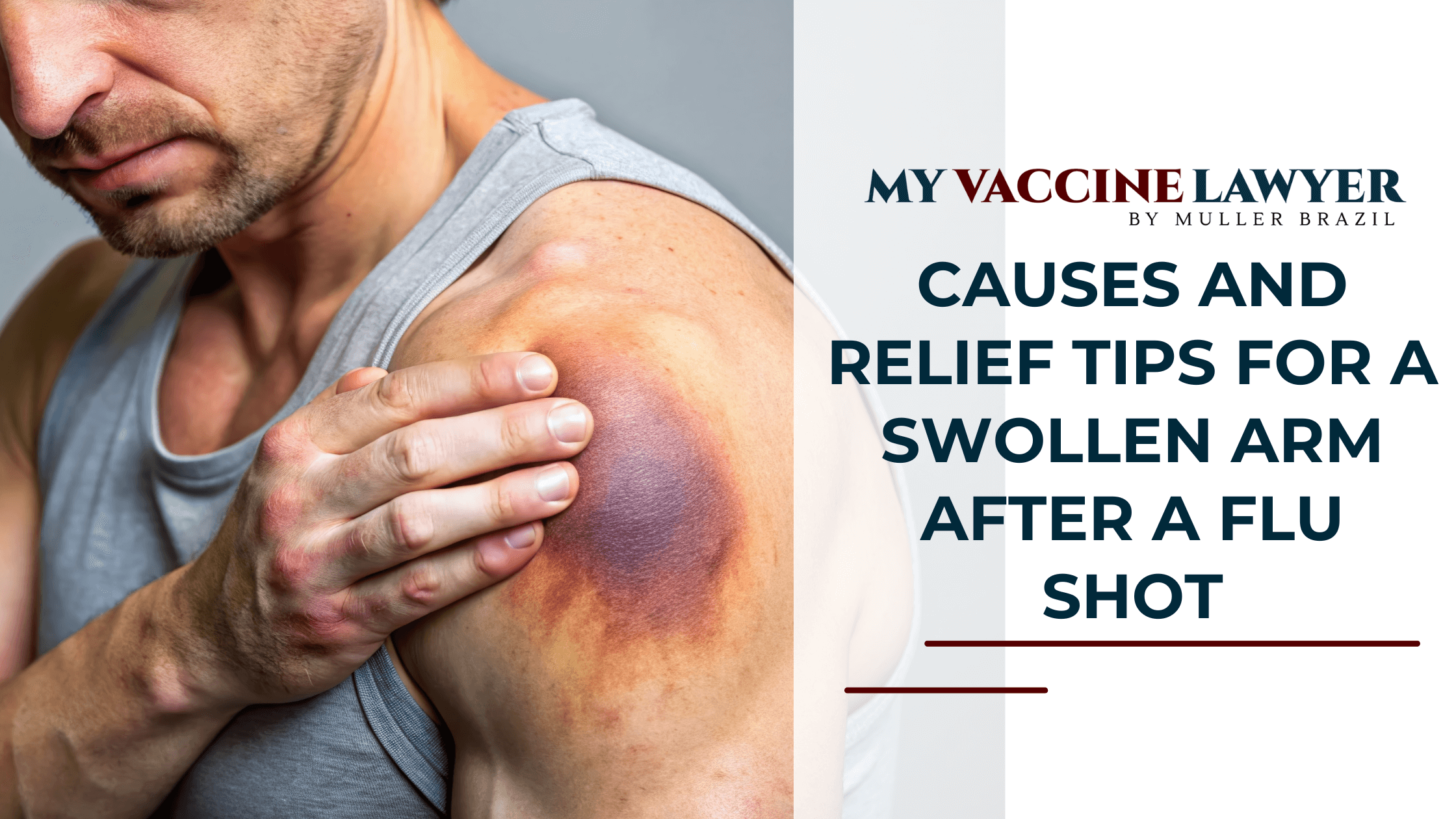
For severe shoulder injury after a shot, such as being unable to lift your arm past shoulder level within 24–48 hours (as seen in SIRVA cases), see an urgent care clinic, orthopedist, or primary care doctor as soon as possible.
Tell every healthcare provider the exact vaccine received (flu vaccine, Tdap, HPV, pneumococcal), the injection date, and which arm received the dose. Ask that this information be written in your medical records. Early imaging like MRI or nerve conduction studies becomes critical evidence later.
Once medically stabilized, consider contacting My Vaccine Lawyer for a free case review.
Step 2: Talk to a Vaccine Injury Lawyer Early in the Process
Consulting a lawyer who specializes in vaccine injury cases is critical due to the complex legal landscape surrounding these claims. VICP cases are highly specialized federal claims with unique rules, different from standard personal injury or medical malpractice lawsuits filed in the traditional legal system.
My Vaccine Lawyer focuses specifically on vaccine related cases across all 50 states and Washington, D.C. The firm is familiar with the evidence and medical experts needed to prove injuries like SIRVA, GBS, ADEM, transverse myelitis, brachial neuritis, and CRPS.
What a vaccine injury attorney does:
- Reviews medical records and vaccination proof
- Evaluates whether the vaccine and timing fit VICP criteria
- Estimates potential damages (medical bills, lost wages, pain and suffering)
- Explains whether VICP or CICP is more appropriate
An experienced attorney improves the chances of receiving compensation by effectively preparing and presenting the case to the VICP. In VICP claims, reasonable attorney’s fees and costs are generally paid by the program itself if certain conditions are met.
Don’t delay scheduling a free consultation, especially if you were vaccinated in 2023, 2024, or 2025 and are approaching the three-year filing window. Call My Vaccine Lawyer or submit an online form for a no-obligation review. The firm has secured notable results including $4 million for a Tdap injury, $267K for SIRVA, and $150K+ for a child after chickenpox vaccine.
MVL handles claims regardless of location, whether you’re in California, Texas, Florida, Pennsylvania, or New York.
Step 3: Document Your Symptoms and Daily Limitations
Thorough documentation make the difference between an approved claim and a denied one in vaccine court. It is important to document all health changes following vaccination, as this information may be necessary for compensation claims or medical reviews.
Start a symptom diary the same week the reaction begins:
- Dates and times of symptoms
- Pain levels (0–10 scale)
- Mobility limits and new diagnoses (bursitis, brachial neuritis, CRPS, encephalitis)
Keep copies of all medical records:
- Emergency room notes and hospital discharge summaries
- Specialist consultations and physical therapy notes
- Imaging reports
Track economic impact:
- Days missed from work and reduced hours
- Out-of-pocket medical expenses (co-pays, prescriptions, travel to appointments)
Keep detailed records of vaccine details including type, brand, dose, lot number, and the timeline of symptoms and doctor visits to support any medical or legal review. Save your vaccination card, pharmacy printouts, and consent forms.
Photos and short videos showing limited shoulder range of motion after a flu shot are powerful supporting material for both doctors and VICP special masters. Organize everything in a single folder or digital drive for easy sharing with My Vaccine Lawyer during consultation.
Step 4: Report the Reaction to VAERS and Treating Providers
The Vaccine Adverse Event Reporting System (VAERS) is a national safety monitoring system for vaccine-related incidents, co-managed by the CDC and FDA. After addressing your health needs, report your injury to VAERS, which helps monitor vaccine safety and collects data on side effects.
Ask your doctor or hospital to file a report and request the VAERS ID number for your records. Both individuals and health care providers can submit reports to VAERS, even if they are unsure whether the vaccine caused the event. Submit reports at vaers.hhs.gov.
Filing a VAERS report does not automatically start a legal case or guarantee compensation, but it creates documentation that My Vaccine Lawyer will later reference in a VICP petition. Learn more in our guide: What Is VAERS?
Step 5: The Basics of the National Vaccine Injury Compensation Program (VICP)
The National Vaccine Injury Compensation Program (VICP) is a no fault alternative to the traditional legal system for resolving vaccine injury petitions, created in the 1980s to protect public health and ensure vaccine availability. Navigating the legal process for vaccine injury claims typically involves filing a petition with this program.
Key facts about VICP:
- Claims are filed against the Department of Health and Human Services in the United States Court of Federal Claims, not against vaccine manufacturers or medical providers
- Any individual who received a covered vaccine and believes they were injured as a result can file a petition, including parents or legal guardians filing on behalf of children or disabled adults
- The Vaccine Injury Table lists presumptive injuries; “off-table” injuries require additional medical proof
Deadlines:
- 3 years from first symptom for injury claims
- 2 years from death (no more than 4 years from first symptom) for death claims
Many vaccines including flu, Tdap, MMR, HPV, and pneumococcal are covered. Learn more about the statute of limitations.
Step 6: My Vaccine Lawyer Handles the VICP Claim Process From Start to Finish
Once you hire My Vaccine Lawyer, the firm manages the entire process. The VICP claims process typically involves filing a petition in the United States Court of Federal Claims, where two government agencies review the claim and make compensation recommendations.
The process includes:
- Gathering complete medical history, proof of vaccination, and employment records
- Drafting and filing the petition in federal claims court
- Government review by the Department of Justice and Health and Human Services
- A court appointed special master reviews the case and may hold hearings
Many vaccine injury cases resolve through negotiated settlements. Compensation may cover unreimbursed medical expenses, lost earnings, and pain and suffering (subject to statutory caps). Timelines range from several months to a few years depending on complexity.
Learn more: How Long Do SIRVA Cases Take to Settle? and How Much Is My Vaccine Injury Case Worth?
How My Vaccine Lawyer Supports Clients After a Vaccine Injury
My Vaccine Lawyer is a national law firm dedicated to vaccine injury cases. Attorneys like Max J. Muller and Paul R. Brazil regularly appear in vaccine court and stay current on changes to compensation rules.
We help clients from the first call through resolution: confirming eligibility, collecting records, coordinating with medical experts, filing vaccine injury petitions, and negotiating settlements. The firm handles claims for clients in all 50 states plus Washington, D.C.
Initial consultations are free, and attorney’s fees are usually paid separately by the program if statutory criteria are met.
Settlement Examples
Tetanus Shot - Shoulder Tendonitis
$111,390
A Louisiana woman suffered adhesive capsulitis (frozen shoulder) and tendonitis of the supraspinatus and subscapularis tendons from improper vaccine administration of a tetanus shot. MRI revealed a loose body within the subacromial space. The treating orthopedic surgeon recommended surgery.
Flu Shot - Frozen Shoulder
$106,160
An Alabama woman suffered various shoulder injuries after a flu shot. Diagnosed with severe adhesive capsulitis, she was treated with steroid medication and physical therapy. When treatment provided minimal relief, she underwent shoulder manipulation under anesthesia but continued experiencing pain and limited range of motion.
HPV Vaccine - Transverse Myelitis
$140,000
An Oklahoma child suffered transverse myelitis following HPV vaccination. Approximately two weeks after receiving the second dose of Gardasil, the client was admitted to the emergency room with severe inflammation and weakness in his left leg. Despite treatment with steroids and physical therapy, he continued suffering weakness and difficulty walking.
Contact My Vaccine Lawyer today if you were injured after a vaccine administered in 2023, 2024, or 2025. Read client testimonials.
Take Control of Your Injury Today
Additional Resources for People Recovering From Vaccine Injuries
Beyond seeking compensation, recovery information is vital. These MVL resources provide guidance:
These resources are educational and do not replace direct medical advice from treating physicians. If you have questions after reviewing these materials, consult My Vaccine Lawyer for personalized evaluation.
Frequently Asked Questions
How do I know if my reaction is serious enough to consider a vaccine injury claim?
Any event requiring emergency care, hospitalization, surgery, prolonged physical therapy over 6 months, or causing lasting limitations on work or daily activities warrants discussion with a vaccine injury attorney. Persistent shoulder pain and loss of motion longer than 6 weeks, new neurologic symptoms like weakness or numbness, or formal diagnoses (SIRVA, GBS, transverse myelitis, ITP) commonly trigger VICP evaluations. Contact My Vaccine Lawyer with your vaccination date and symptom summary for assessment.
Can I still file a VICP claim if I no longer have my vaccine card?
Lack of a vaccine card does not prevent a claim. Vaccination records can often be obtained from pharmacies, doctor’s offices, health departments, or state Immunization Information Systems. My Vaccine Lawyer helps track down proof through record requests and subpoenas. Don’t delay contacting an attorney while searching, filing deadlines continue running.
Can I file a regular lawsuit against a vaccine manufacturer instead of using the VICP?
Federal law requires claimants to first pursue compensation through the VICP for covered routine childhood and adult vaccines before considering civil action in state or federal court. The VICP is often the most practical path because it pays attorney’s fees separately if statutory criteria are met and doesn’t require proving negligence. My Vaccine Lawyer evaluates all options after the federal process.
How long should I wait to see if my symptoms improve before calling a lawyer?
Don’t wait until you reach “maximum recovery”, the three-year filing window is based on first appearance of symptoms, not when treatment ends. Contact My Vaccine Lawyer as soon as a doctor suspects a vaccine caused condition or when symptoms persist beyond a few weeks. An early consultation doesn’t obligate you to file but helps preserve options if the condition becomes long-term.
 Max Muller
.png)


.png)
 Max Muller : Jul 29, 2026, 10:10:09 AM