 Max Muller

Frozen Shoulder After Vaccine
 Max Muller : Nov 5, 2025, 9:17:00 AM
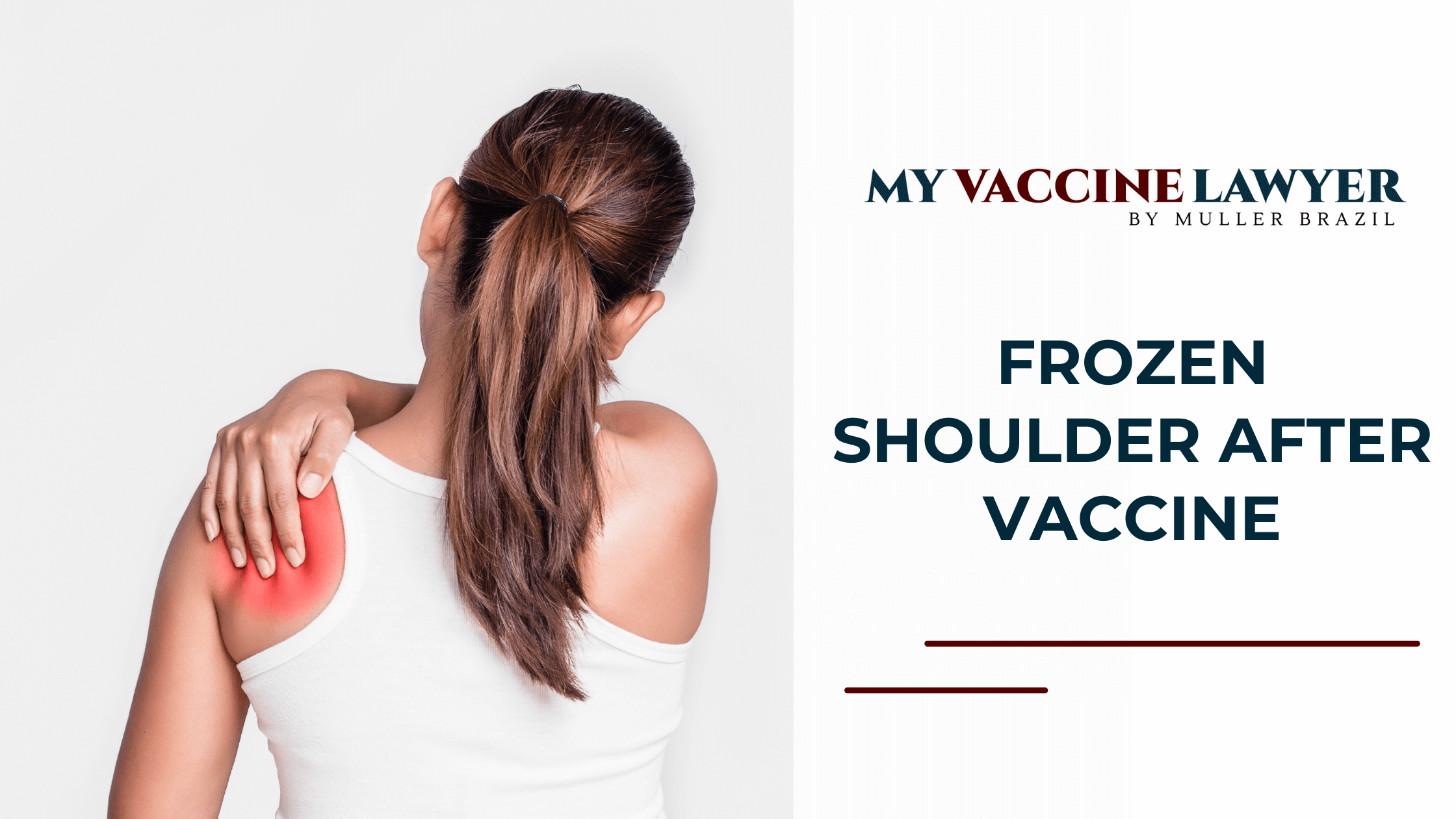
Frozen shoulder after vaccine claims are rising, and so are settlement values. Clients presenting with painful shoulder stiffness, reduced range of...
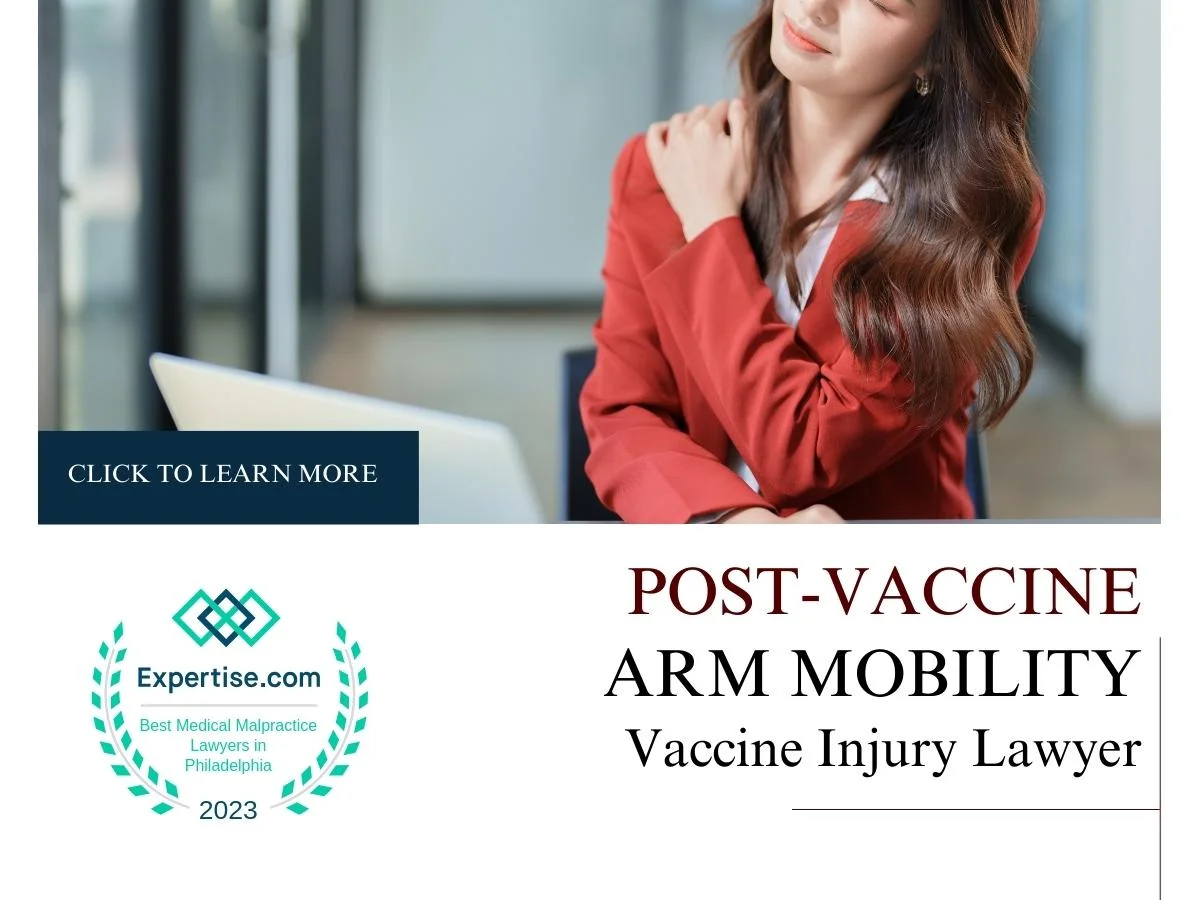
As vaccination continues through the end of 2025 and into 2026, persistent arm pain and shoulder injury after a vaccine injection remain commonly reported and legally recognized complications.
You expect some arm soreness after a vaccine. You expect temporary pain at the injection site. You do not expect worsening arm pain, swelling, or loss of movement in the injected arm days later, especially when the discomfort does not improve with rest or time.
When someone is unable to move their arm after a vaccine, the issue is often no longer a routine immune response. Shoulder injury following vaccine injection has been commonly reported when the vaccine is administered improperly into the upper arm rather than the deltoid muscle. In these cases, the injection site is too high or too deep, affecting the shoulder joint, surrounding tissue, or arm muscle instead of remaining localized to muscle tissue.
A shoulder injury related to vaccine administration can cause more pain, reduced blood flow, inflammation, and limited range of motion in the arm. These injuries are distinct from normal vaccination discomfort and are recognized as vaccine injuries under federal guidelines when symptoms persist beyond short intervals. Arm pain, swelling, and reduced movement that continue after vaccination may indicate injury related to vaccine administration rather than expected soreness.
For individuals experiencing arm pain, shoulder injury, or difficulty moving the arm after a vaccine, understanding when these symptoms become legally relevant matters. Vaccine injury law evaluates how the vaccine injection was given, where it entered the upper arm, and how the resulting shoulder injury developed over time.
In vaccine injury cases involving shoulder pain and limited movement, the diagnosis recorded in the medical file often shapes how the injury is evaluated. What matters is not the label alone, but what that label reflects about where the injury occurred, how symptoms developed, and whether the shoulder joint was affected rather than the arm muscle.
Frozen shoulder, also referred to as adhesive capsulitis, appears in claims where stiffness and pain develop in the shoulder after vaccination and continue to progress instead of resolving. Movement becomes restricted across multiple directions, not just during lifting or reaching, and the shoulder capsule itself shows signs of inflammation. From a legal perspective, this diagnosis signals joint-level involvement, which carries more weight than temporary soreness at the injection site.
Rotator cuff injuries are also commonly reported when vaccine injection affects structures surrounding the shoulder joint. In these cases, arm pain often worsens with motion, strength declines, and daily use of the arm becomes painful rather than merely uncomfortable. A rotator cuff tear or related damage suggests that the needle entered too high or too deep in the upper arm, extending beyond the deltoid muscle and into sensitive shoulder tissue.
In some claims, individuals are initially diagnosed with nonspecific shoulder pain before imaging or follow-up evaluations identify adhesive capsulitis or rotator cuff involvement. This progression matters. Early records may reference soreness or discomfort, while later documentation reflects persistent pain, limited range of motion, and more damage within the shoulder joint. Claims are evaluated based on the full clinical course rather than the first label applied.
These conditions appear repeatedly in vaccine injury filings because they reflect injury related to vaccine administration rather than a normal immune response. When shoulder pain, reduced movement, and functional limitation continue after vaccination, the diagnosis often confirms that the injury involves the shoulder rather than superficial muscle irritation. Under the Vaccine Injury Compensation Program, this distinction is central to how vaccine injuries are assessed.
Some arm pain and soreness after vaccination is expected. Temporary discomfort at the injection site reflects an immune response as the body reacts to the vaccine. This type of pain typically remains localized to the upper arm, improves over short intervals, and does not interfere with normal use of the arm.
That expectation changes when pain persists, worsens, or limits movement.
Arm pain that continues beyond the initial post-vaccination period often follows a different pattern. Swelling may spread beyond the injection site. Inflammation may increase rather than resolve. The arm may feel weaker, tighter, or increasingly painful with ordinary movement. Limited range of motion, especially when lifting or rotating the arm, signals that the issue extends beyond routine soreness.
Federal vaccination guidance recognizes that normal immune responses resolve within a predictable timeframe. When arm pain, swelling, or inflammation continue outside that window, the symptoms raise questions about whether the vaccine injection was administered correctly.
From a legal standpoint, duration and progression matter. Injury related to vaccine administration is evaluated based on how symptoms develop over time, not how they feel in the first day or two after vaccination. Persistent arm pain that interferes with movement may indicate a vaccine injury rather than expected post-vaccination discomfort.
For this reason, shoulder injury related to vaccine administration is assessed differently than short-term soreness following vaccination.
Take Control of Your Injury Today
Vaccine injections are intended to enter the deltoid muscle of the upper arm. When the needle is placed too high, too deep, or at an improper angle, the injection can affect structures that are not meant to receive the vaccine.
The shoulder joint sits directly beneath the upper portion of the arm. Surrounding it are tendons, connective tissue, and fluid filled sacs that allow the shoulder to move smoothly. An injection that reaches these areas can trigger an inflammatory reaction within the shoulder itself rather than a localized response within muscle tissue.
This type of injury develops differently than routine arm soreness. Pain often feels deeper and more persistent. Movement becomes uncomfortable across multiple directions. Reduced blood flow and inflammation within the shoulder joint can increase swelling and limit function over time.
In vaccine injury claims, these injuries are evaluated based on injection technique and anatomical impact rather than the vaccine formulation itself. The person giving the vaccine, the location of the injection, and how the shoulder responds afterward all factor into whether the injury is considered related to vaccine administration.
These injury patterns are commonly reported across vaccines administered by injection, including the flu shot. What connects them is not the vaccine, but how and where the injection entered the upper arm.
Medical treatment following vaccination serves a dual purpose. It addresses symptoms and creates a record of how the injury developed.
In vaccine injury claims, the most relevant records are those that document progression rather than isolated complaints. Early visits that note increasing pain, swelling, or limited movement establish a timeline. Follow-up evaluations that confirm ongoing symptoms show that the injury did not resolve on its own.
Treatment commonly documented in these cases includes physical therapy aimed at restoring shoulder movement, medications used to address inflammation, and steroid injections administered to reduce pain within the shoulder joint. In some cases, a corticosteroid injection is given when conservative care fails to improve function.
What matters legally is not which treatment was chosen, but what the treatment records show. Notes indicating persistent pain, reduced range of motion, and lack of improvement despite appropriate treatment help distinguish vaccine injury from temporary discomfort.
Delays in seeking care can complicate this analysis. When records begin weeks or months after vaccination, early symptoms may be missing from the file. For this reason, timely treatment and consistent documentation play a central role in how vaccine injury claims are evaluated.
Take Control of Your Injury Today
Some individuals report post-vaccination symptoms through the Vaccine Adverse Event Reporting System. VAERS collects data on adverse events following vaccination and supports vaccine safety monitoring. It does not determine compensation and does not replace a legal claim.
Vaccine injury claims are evaluated through the Vaccine Injury Compensation Program, which applies specific criteria to determine eligibility. These evaluations consider the type of vaccine administered, how the injection was given, when symptoms began, and how the injury progressed over time.
Shoulder injuries following vaccination are assessed within this framework when symptoms such as arm pain, swelling, or limited movement persist and interfere with normal function. The presence of documented shoulder injury, rather than generalized discomfort, is what brings the claim into legal focus.
When individuals are unable to move their arm after a vaccine, or when shoulder pain continues well beyond expected recovery, the issue shifts from post-vaccination monitoring to legal evaluation. At that point, the question is no longer whether discomfort occurred, but whether the injury meets the criteria for compensation under federal vaccine injury law.
If your arm hurt after a vaccine and the pain feels different than expected soreness, there are practical steps you can take while protecting your health and options.
What to do next if you experience severe arm pain or limited movement:
Limit strenuous activities involving the affected arm. Avoid heavy lifting, overhead reaching, or repetitive motion that may worsen inflammation in the shoulder.
Apply cold therapy to reduce swelling. Ice packs can help reduce inflammation associated with a local inflammatory response, especially in the first several days.
Pay attention to worsening or bad pain. Pain that increases instead of improving, or that spreads deeper into the shoulder, may indicate a vaccine related injury rather than routine soreness.
Practice gentle movement only if tolerated. Light motion may help prevent stiffness, but forcing movement through pain can aggravate injury.
Seek evaluation from a healthcare provider. An early diagnosis helps identify whether shoulder structures were affected rather than muscle alone.
Monitor pain that interferes with breathing or rest. If discomfort makes it hard to sleep or requires deep breaths to manage pain, the reaction may be more than expected.
Avoid assuming pain is a small price to pay. Experiencing severe pain or loss of arm function is not required for your immune system to respond effectively to a vaccine.
Ask whether the injection site placement could be causing pain. Improper injection technique is a known contributor to shoulder injuries.
Do not ignore symptoms that prevent normal use of your arm. Loss of range of motion or strength may delay full recovery if left unaddressed.
For additional guidance on managing post-injection pain versus abnormal symptoms, place a contextual link here
When arm pain does not improve and movement remains limited, the issue may move beyond medical care into legal evaluation. Under federal vaccine injury law, injuries related to improper administration, including SIRVA are assessed based on how the injection affected the shoulder, not whether the vaccine itself was necessary.
If your symptoms suggest a vaccine related shoulder injury, learning how vaccine injury claims work can clarify your options.
If you are unable to move your arm after a vaccine, or if pain and inflammation continue to interfere with daily life, speaking with an experienced vaccine injury lawyer can help you understand whether your injury meets federal compensation criteria.
My Vaccine Lawyer focuses exclusively on vaccine injury cases, including shoulder injuries related to improper injection technique. Our attorneys understand how SIRVA claims are evaluated, what medical evidence matters, and how to pursue compensation through the Vaccine Injury Compensation Program.
A free consultation will help determine whether your symptoms, treatment history, and recovery timeline support a claim, without pressure, obligation, or upfront cost.
Yes. While mild soreness is common, arm pain that persists or worsens may reflect inflammation involving the shoulder joint rather than a normal immune system response.
Experiencing severe pain, reduced movement, or deep shoulder discomfort is not typical and may indicate injury related to vaccine administration rather than expected side effects.
Proper injection technique helps prevent SIRVA, including correct needle placement into the deltoid muscle. Patients reduce risk by reporting immediate sharp pain during injection and avoiding injections placed too high on the arm.
Many individuals achieve full recovery with appropriate treatment, but recovery time varies. Delayed care or ongoing inflammation may prolong symptoms.
If pain, swelling, or loss of movement continues beyond the expected recovery period or interferes with normal arm use, a vaccine injury lawyer can help assess whether the injury qualifies for compensation.
Take Control of Your Injury Today
Mr. Muller currently devotes the majority of his law practice to aggressively fighting for the victims of unsafe drug and medical device injuries, as well as vaccine injuries and vaccine reactions involving the flu shot, TDaP/DTaP vaccine, and more. He has handled hundreds of SIRVA injury cases (shoulder injury related to vaccine administration), especially those involving bursitis, tendonitis, frozen shoulder, and rotator cuff tears. Mr. Muller also handles cases where vaccines caused serious nerve injuries such as Guillain-Barre Syndrome. Mr. Muller has recovered millions of dollars in compensation for his clients in the Vaccine Injury Compensation Program.

Max Muller : Nov 5, 2025, 9:17:00 AM
Frozen shoulder after vaccine claims are rising, and so are settlement values. Clients presenting with painful shoulder stiffness, reduced range of...
.png)
Max Muller : Apr 2, 2026, 8:52:00 AM
SIRVA symptoms can lead to compensation through the Vaccine Injury Compensation Program (VICP) when shoulder pain and limited range of motion follow...
Max Muller : Aug 7, 2017, 12:30:31 PM
For anyone who has experienced SIRVA (Shoulder Injury Resulting from Vaccine Administration) or Guillain-Barré Syndrome (GBS) after a vaccination,...